“This is the most ridiculous game I’ve ever played,” Harold shouted, snow melting down his cheeks.
“And besides, the Boers aren’t guerrilla fighters anymore! We wiped them out!”
Hermann shot him an irritated look. “Nonsense. The Boers always beat the English.”
Harold snorted. “Shows how little you know. We changed tactics! Every time a Boer attacked something belonging to England, the punishment was to burn every farm for miles around. All the men were deported for life, sent off to hard labour, and the women and children were thrown into concentration camps. My uncle told me—he’s a major in South Africa. We starved the Boers to death. Just so you know.”
A heat rose in Hermann’s throat, spreading through his body like a flame he couldn’t contain.
“Take it back! It isn’t true!” he shouted. “It is!” Harold snapped. “Haven’t you read the papers? It’s everywhere. We won!”
Emily Hobhouse – the woman who saw what no one wanted to see
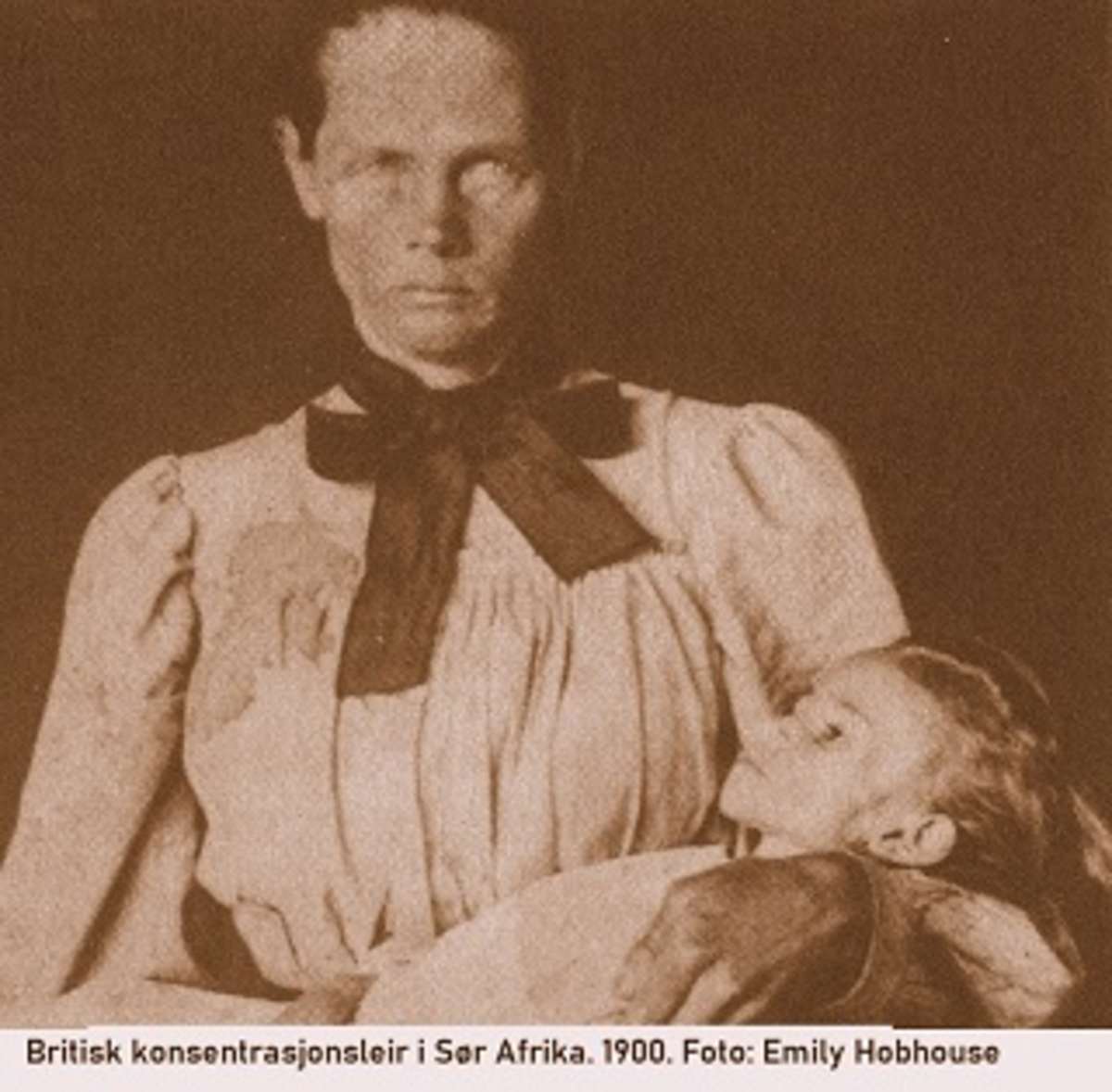
By this point in my novel’s timeline, the British activist Emily Hobhouse had already travelled through South Africa on behalf of the British Red Cross. She had moved from camp to camp, walking between tents and makeshift huts, witnessing women and children reduced to shadows of themselves.
Everywhere she went, she documented the same horrors:
Starvation was used deliberately as a weapon. Epiidemics raging through the camps without the victims being offered medicine
Children dying in their mothers’ arms.
British officers intentionally cutting rations to “break resistance”
She took photographs. She wrote reports. She returned to England and published everything she had seen. The scandal tore through British and European newspapers like a storm.
The adults knew. The children did not.
Emily Hobhouse was never allowed into the 66 concentration camps built for Black Africans.
Their conditions were never fully recorded, but modern research shows the death rate there was even higher than in the camps for white Boer civilians.
It was during this period that the term “concentration camp” first appeared in Western newspapers — borrowed from the Spanish reconcentrados in Cuba.
The fate of the Boer men – and why Harold was right
Harold’s claims about the Boer men were not childish exaggerations. During the war, thousands of Boer men were: sent to hard labour, deported to British colonies such as Ceylon, Bermuda, and St Helena
They were forbidden to return home until the war ended and for many, this meant a de facto life sentence in captivity
The British called it “military deportation.” The Boers called it “banishment.”
This was the reality behind the boys’ words — a reality adults understood, but children only glimpsed in brutal flashes that could strike in the middle of a snowball fight.
When childrens play turns into something else
Harold knew he had the upper hand. He didn’t hesitate to deliver the final blow — the comment that struck Hermann on an entirely different level:
“And my parents say your godfather is cheating on your mother! He’s just a vulgar nouveau riche! A Jew pretending to be a Catholic!”
Hermann didn’t understand every word, but he understood enough. Rage overtook him. He lunged at Harold, and the game was no longer a game.
Sometimes reality breaks into childhood not as a slow dawning, but as a strike.
Did this really happen?
Yes. Here are some of the sources I have managed to find, confirming the history behind the scene:
The British burning of farms (Scorched Earth Policy)
- The National Archives (UK): Boer War Scorched Earth Policy
- Iain R. Smith, The Origins of the South African War
- Thomas Pakenham, The Boer War
Concentration camps for women and children
- Elizabeth van Heyningen, The Concentration Camps of the Anglo-Boer War
- British Parliamentary Papers, 1901–1902
- Emily Hobhouse, Report of a Visit to the Camps of Women and Children
Concentration camps for Black Africans
- S. B. Spies, Methods of Barbarism?
- Van Heyningen, The Concentration Camps
- South African History Archive (SAHA)
Life‑long deportation and hard labour for Boer men
- The War Office: Prisoner of War Registers, 1900–1902
- Pakenham, The Boer War
- Ceylon National Archives: Boer POW Records
Emily Hobhouse and her photographs
- The Emily Hobhouse Papers, Bodleian Library
- Hobhouse, The Brunt of the War and Where It Fell
- The Morning Leader, The Westminster Gazette